
Field Demonstration Promotes Climate-smart Crop Residue Management in Nepal
Dharan, Nepal, 10 June 2026 — The Centre for Sustainable Agricultural Mechanization (CSAM) of the United Nations Economic and Social Commission for Asia and the Pacific (ESCAP), in collaboration with the Department of Agricultural Engineering at the Institute of Engineering, Purwanchal Campus, Tribhuvan University, organized an awareness event and field demonstration to promote mechanization-based solutions for sustainable crop residue management.
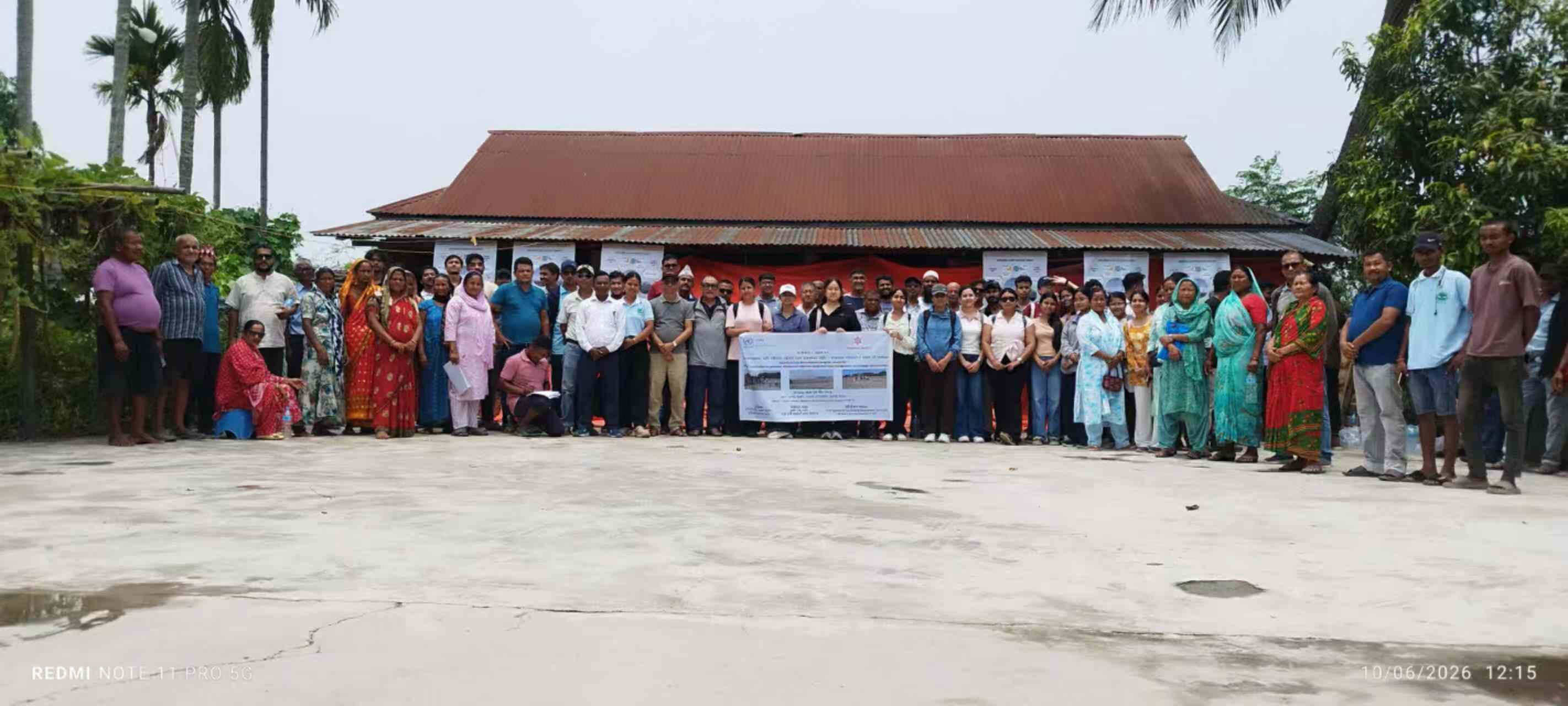
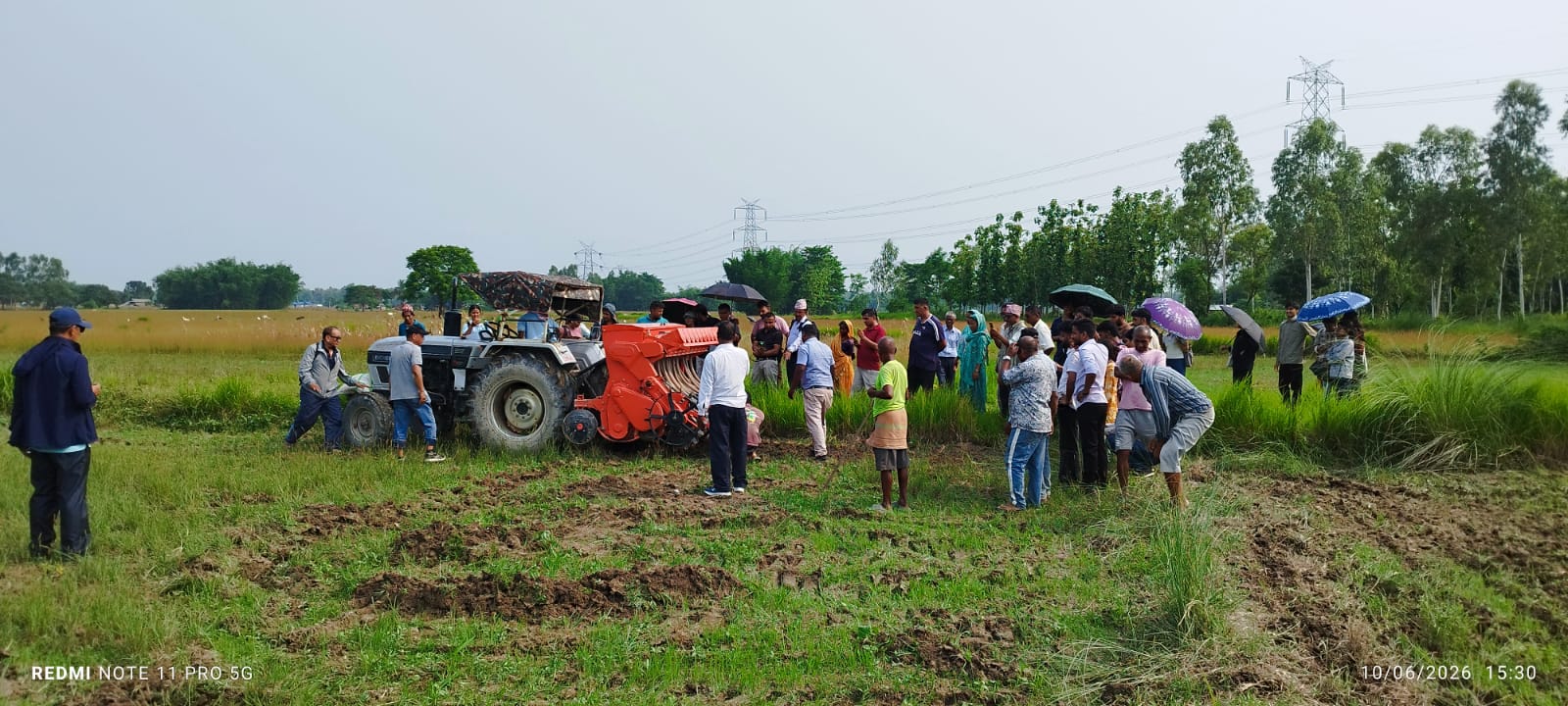
Held at the Phase II pilot site of the project Strengthening Mechanization-based Solutions for Climate-smart Crop Residue Management in Cambodia, Indonesia and Nepal in Ramdhuni Rural Municipality, Sunsari District, the event brought together 95 participants, including farmers, cooperative members, local stakeholders and agricultural engineering students from Jhapa, Morang and Sunsari districts.
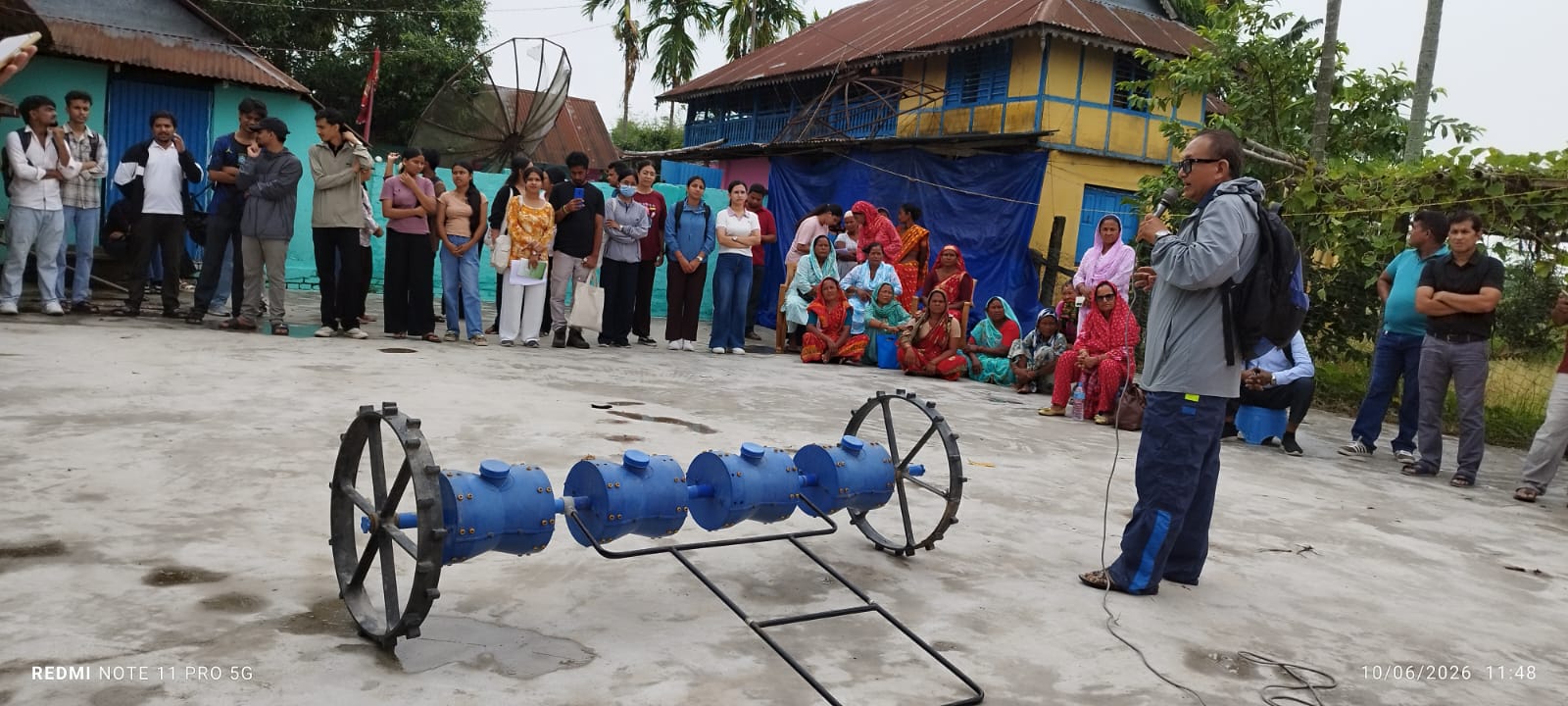
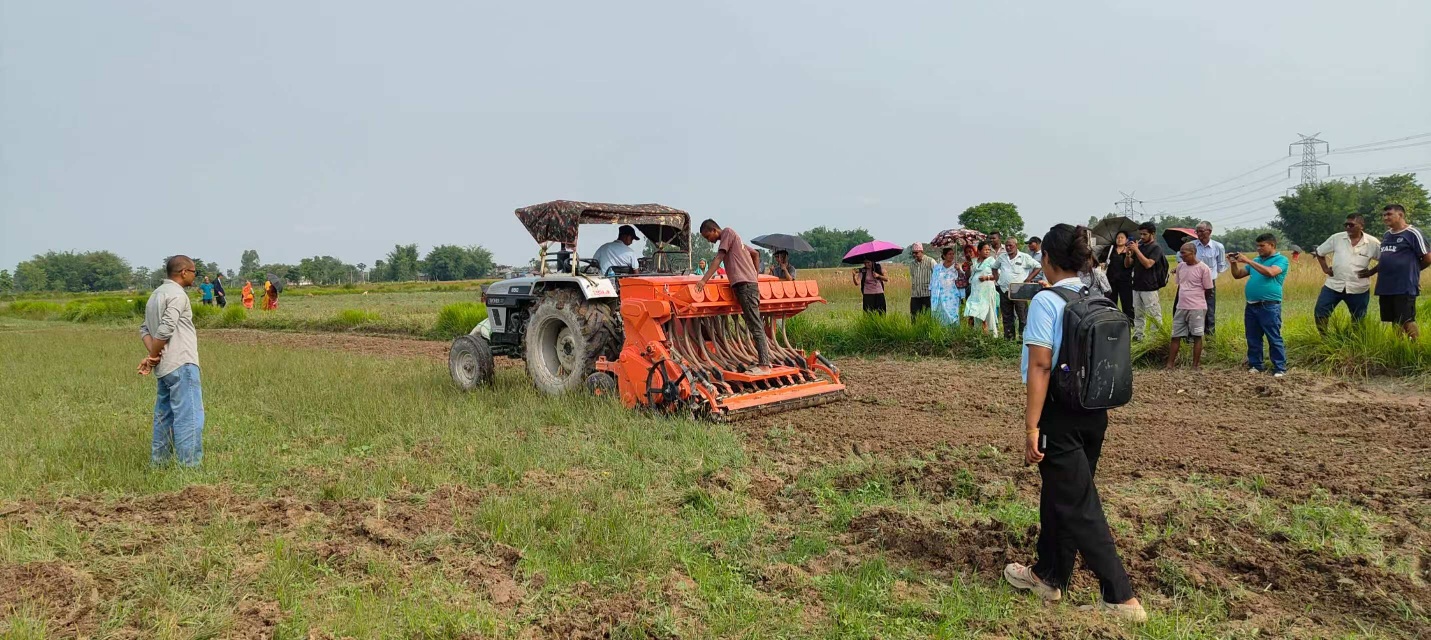
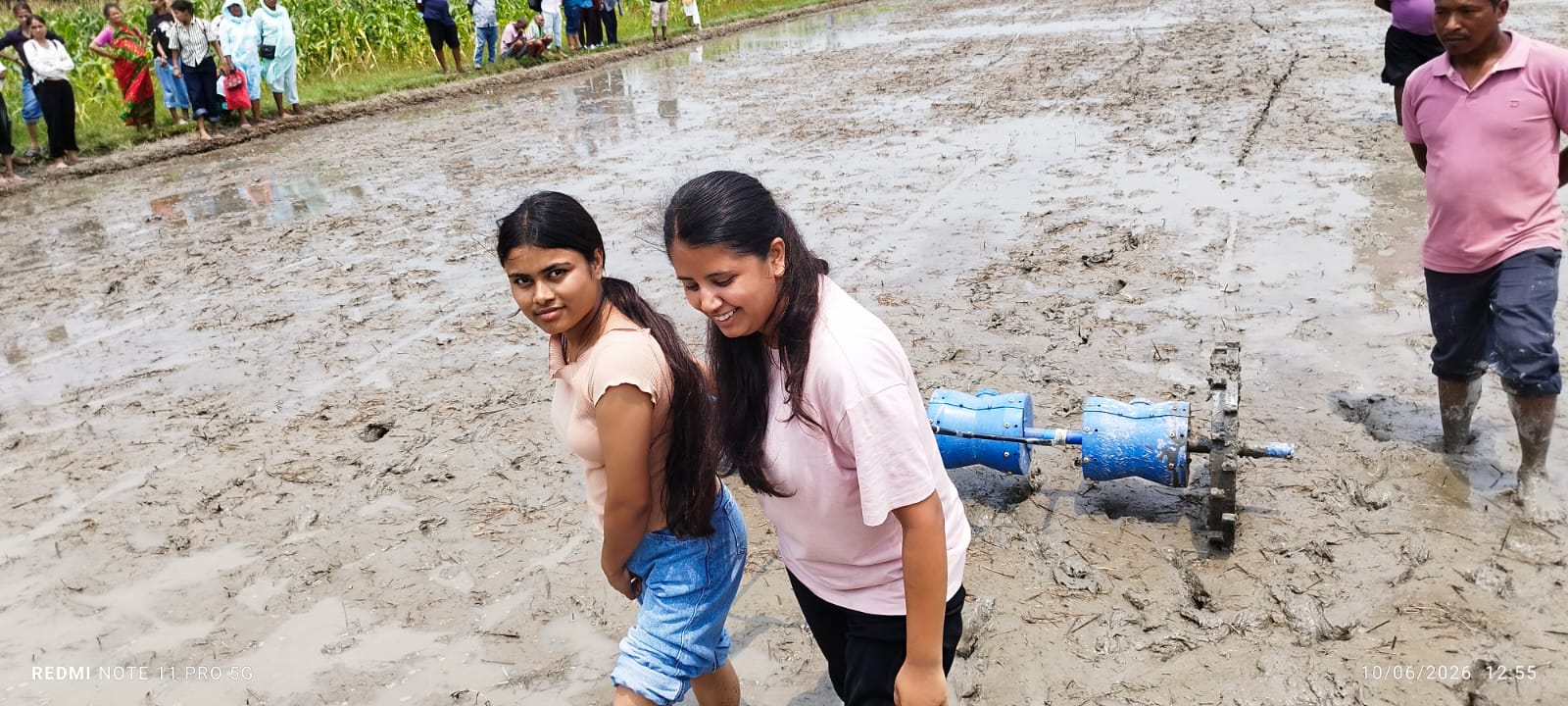
The programme showcased mechanized technologies for rice establishment and straw management, including drum seeders, super seeders equipped with inclined plate multi-crop hoppers, and zero-till seed-cum-fertilizer drills. Through technical presentations and live demonstrations, participants learned how these technologies can reduce open-field straw burning, lower production costs, improve soil health and enhance agricultural productivity.
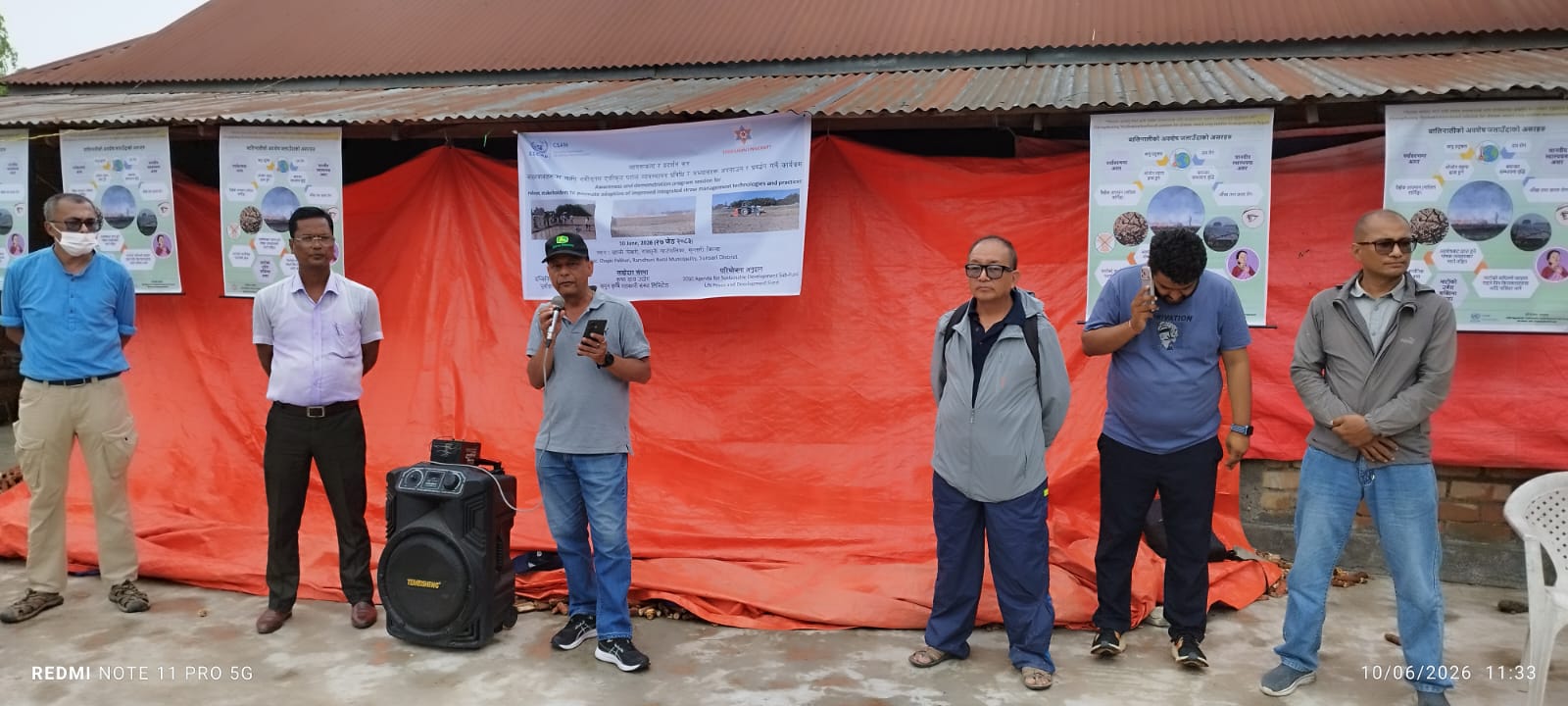
The awareness sessions also highlighted the environmental and public health impacts of straw burning, while emphasizing the long-term benefits of incorporating crop residue into the soil to improve soil organic matter and nutrient availability. Participants received project awareness leaflets explaining integrated straw management technologies, the benefits of sustainable straw management, and the impacts of open-field burning. Awareness posters on the consequences of straw burning were also distributed for display in local communities, cooperatives and village committee offices to encourage wider knowledge sharing.
CSAM began supporting integrated straw management pilot activities in Nepal in 2021. Building on the successful results of the first phase, an ongoing United Nations Peace and Development Fund-supported project, Strengthening Mechanization-based Solutions for Climate-smart Crop Residue Management in Cambodia, Indonesia, and Nepal, is enabling CSAM to work with national partners to scale up climate-smart mechanization, strengthen local capacities and promote sustainable alternatives to open-field straw burning.
Through field demonstrations, capacity-building and evidence generation, the project continues to support Nepal's transition towards more resilient, productive and environmentally sustainable agricultural systems.
Photo courtesy: Purwanchal Campus, Tribhuvan University