
Twenty-second session of the Governing Council of CSAM commends proposal for a Digital Roadmap of the Center
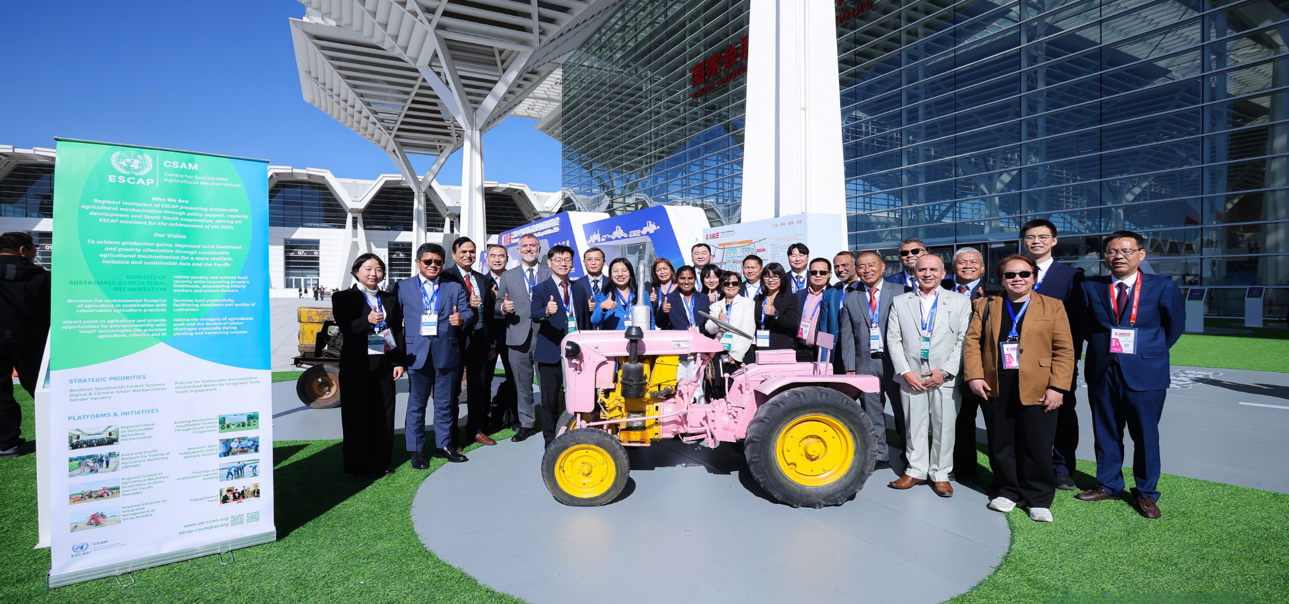
The twenty-second session of the Governing Council of the United Nations Economic and Social Commission for Asia and the Pacific (ESCAP) Centre for Sustainable Agricultural Mechanization (CSAM) was held in Tianjin, China, on 27 October 2026, to review the Centre’s progress in 2026 and provide strategic guidance for its future work. Representatives of all Governing Council member States (China, India, Malaysia, Mongolia, Philippines, Republic of Korea, Sri Lanka, Thailand and Viet Nam) were joined by delegates from Bhutan, Indonesia, Nepal and Pakistan attending as observers.
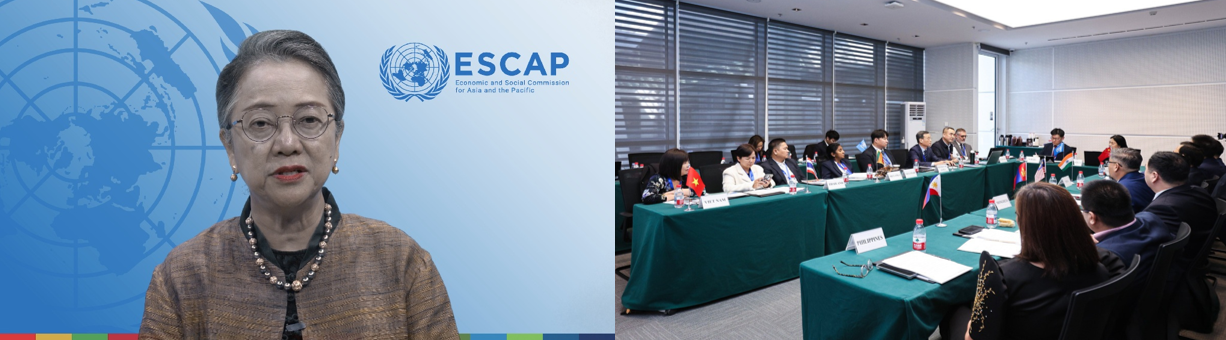
In opening remarks delivered by video message, Ms. Armida Salsiah Alisjahbana, United Nations Under-Secretary-General and Executive Secretary of ESCAP, highlighted the opportunities offered by emerging technologies to improve agricultural productivity, resource efficiency and resilience. She underscored the importance of ensuring that innovation remains accessible and responsive to the needs of farmers, including smallholders, women, youth and older persons, while helping countries address changing demographic and climate challenges.
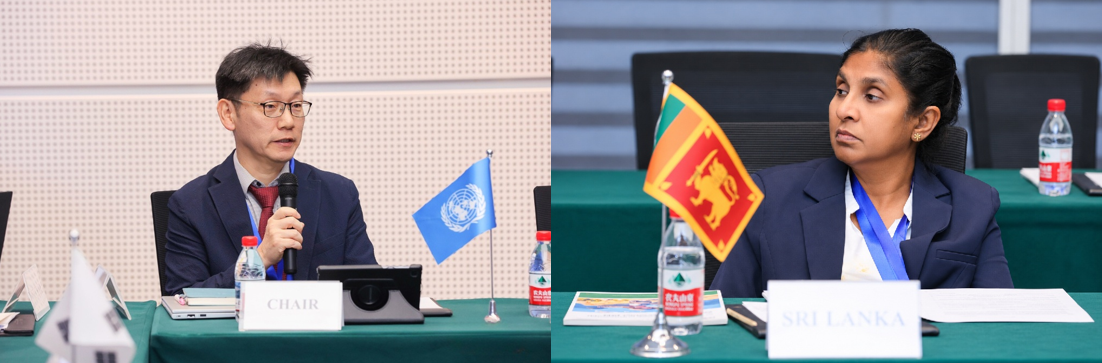
The Governing Council elected Mr. Byounggap Kim, Senior Researcher, National Institute of Agricultural Sciences, Rural Development Administration of the Republic of Korea as Chair, and Ms. Viola Shyamali Gigiriwala Gamage, Additional Director General of Agriculture (Development), Department of Agriculture of Sri Lanka, as Vice Chair. The session included the review CSAM’s activities and financial status for 2026 and the delegates commended the Centre’s achievements in advancing sustainable agricultural mechanization across the Asia-Pacific region. The Governing Council recognized CSAM’s promotion climate-smart mechanization, facilitating the harmonization of agricultural machinery testing procedures to enable standards, strengthening regional partnerships, advancing integrated crop residue management, and supporting knowledge exchange and capacity-building among member States. The Council reaffirmed the importance of sustainable agricultural mechanization in achieving the Sustainable Development Goals and endorsed the Centre’s report on its activities and financial status for 2026.
The Governing Council also endorsed CSAM’s proposed work plan for 2027, which is guided by the Centre’s 2025-2029 Strategic Plan and focuses on strengthening the resilience of smallholder farmers through mechanization-based solutions, supporting enabling policy environments, promoting digital innovation and climate-smart mechanization, facilitating harmonized regional norms and standards, and advancing gender-responsive and inclusive mechanization. A key area of discussion during the session was the role of digital innovation in the future of agricultural mechanization. Delegates welcomed the ongoing development of CSAM’s Digital Innovation Roadmap and provided recommendations to ensure that emerging technologies such as AI-enabled equipment, precision agriculture and agricultural robots are accessible and relevant to smallholders following the diverse needs of countries across the region. The Governing Council emphasized the importance of addressing digital divides, promoting technology exchange, improving data availability, and ensuring that innovation contributes to sustainable and inclusive agricultural transformation.
The session also highlighted growing opportunities for regional cooperation. Representatives expressed support for strengthening partnerships to advance sustainable agricultural mechanization, including exploring joint initiatives related to the effective integration of new technologies into agricultural development. Concluding the session, the Governing Council reaffirmed its support for CSAM’s mission as a regional platform for cooperation, knowledge sharing and innovation. The guidance provided by members will help steer the Centre’s efforts to promote sustainable, inclusive and climate-resilient agricultural mechanization across the Asia-Pacific region in the coming year.